We have busy schedules and busier expectations. Nothing seems to be busier than Monday mornings. We have tasks to complete, people to call, breakfast to make, schedules to keep and miles to go before we sleep.
Hard work and long hours seems to be ingrained in the American psyche. When you produce the hours and product, you have the respect of your fellow human. We stay busy perhaps because we are afraid of the alternative: being seen as sluggish, incapable of showing self importance. But such a work ethic creates exhausted people, exhausted work environments, and even exhausted churches.
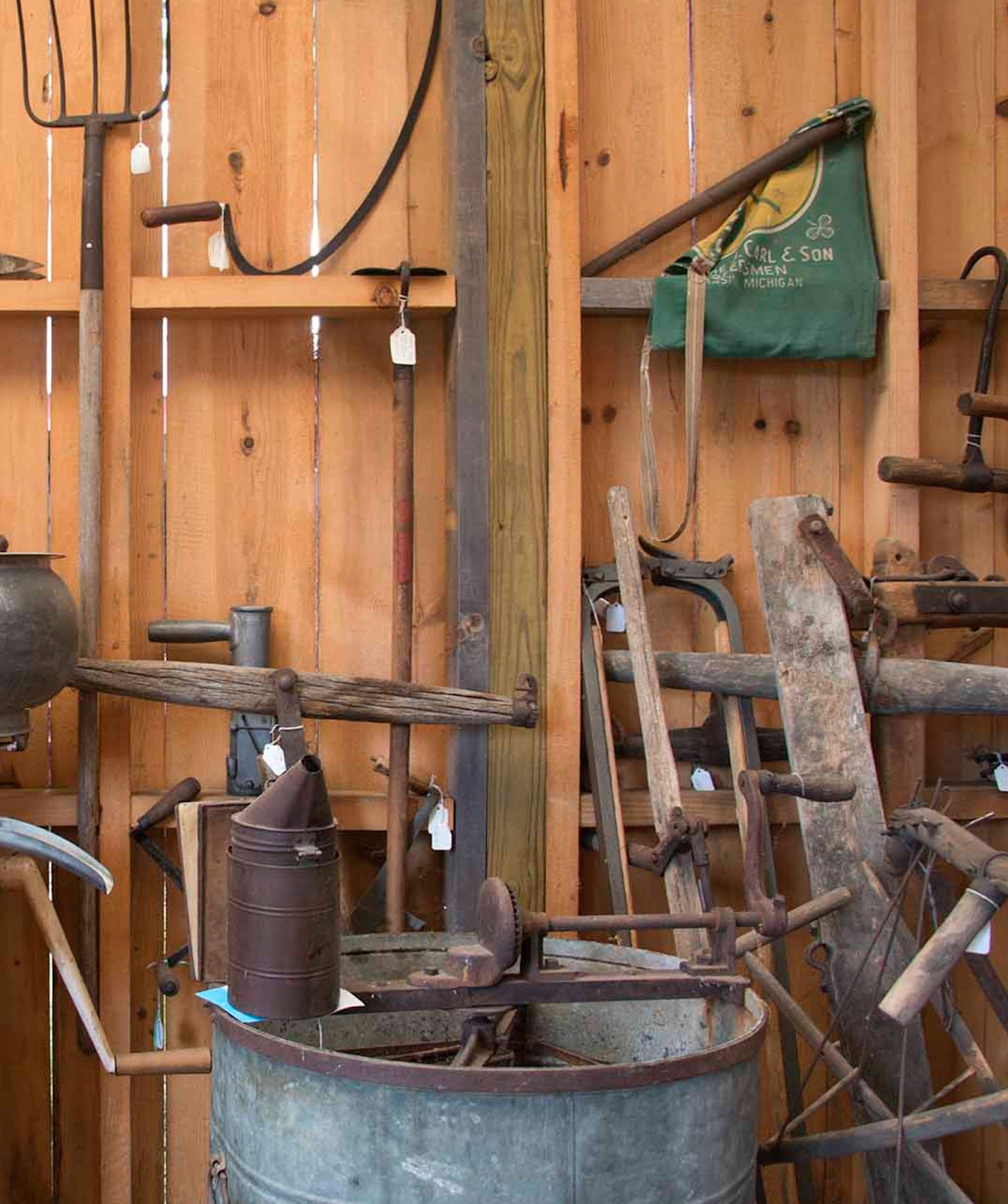
Take for example the modern approach of American industrial agriculture. Working the land each year, farmers and ranchers have exhausted the nutrients in the soil to a critical breaking point. With a work first, deal with rest later mentality, industrial agriculture has banished any attempt at letting land rest. It is, like a horse chasing the extended carrot, pursuing the future profit by any means necessary. It is no wonder that each year, the land is sprayed copiously by artificial fertilizers, thousands of dollars each time, just for the chance for a farmer to break even at the bank.
However, this narrative of production falls short of the biblical understanding of work. Despite our cultural story, work was a gift by God to humanity. Work was something to be enjoyed as a way of fellowshiping with God through the protection and diligence needed to see a world teaming with life. God himself works and finds joy in his work. But God also placed a limit on his work by creating the Sabbath. Sabbath is God’s levee, blocking the flow of work from inoculating all things. Sabbath and work, in tandem, were made for those made in God’s image.
Wendell Berry, once wrote:
In token of His landlordship, God required a Sabbath for the land, which was to be left fallow every seventh year; and a Sabbath of Sabbaths every fiftieth year, a “year of jubilee,” during which not only would the fields lie fallow, but the land would be returned to its original owners, as if to free it of the taint of trade and the conceit of human ownership. But beyond their agricultural and social intent, these Sabbaths ritualize an observance of the limits of “my power and the might of mine hand”–the limits of human control. Looking at their fallowed fields, the people are to be reminded that the land is there only by gift; it exists in its own right, and does not begin or end with any human purpose.
Knowing that the time for work will be enough, respects the limits that God has placed on our abilities. We will labor and toil, but the product, the time, the energy for this is all the property of God. We plant the seed, we pull the weeds, we water and labor, but we do not make a seed germinate. We do not do plant photosynthesis. Extra labor will not produce a crop. We do what we know to do, with the time we have, and rest knowing that the creation is being brought to life by God. This is the secret of sabbath- to trust in the work of God, not our own work. To be people of sabbath is to let the things uncovered, the work that has not fruited, to be continually left in the charge of the only one that can make it grow.
Perhaps it is time we begin practicing sabbath. Jesus often went off to lonely places to pray and be away from the tumult of the world in order to hear the voice of the Father.
Go into your private room and, when you have shut your door, pray to your Father who is in that secret place - Matthew 6:6
Henri Nouwen once said, “Without solitude it is virtually impossible to live a spiritual life.” Jesus knew that the Father could be heard best when we enter into that secret place, alone. The silence of our ambitions, our doing and going, our responsibilities, our doubts and fears- it is the place where the voice of God can be heard unabated. What God has to say is life giving and will nurture our souls like a good soaking rain after an intensive heat wave. And in these moments of growth and nurture, we have the strength and joy necessary to be recipients of that great deluge- the love of God.
Learn by little the desire for all things
Which perhaps is not desire at all
But undying love which perhaps
Is not love at all but gratitude
For the being of all things which
Perhaps is not gratitude at all
But the maker’s joy in what is made,
The joy in which we come to rest.
-Wendell Berry
______
Announcements:
Link to the CBC Calendar
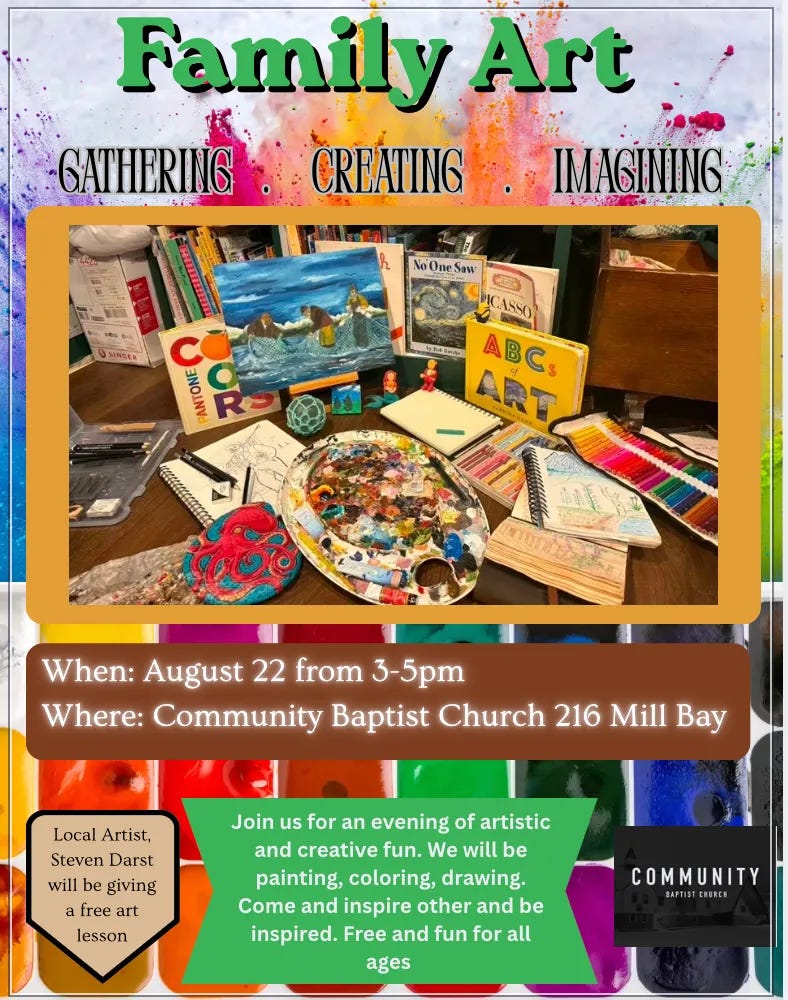
Family Art- Saturday, Aug. 22 (3-5pm)
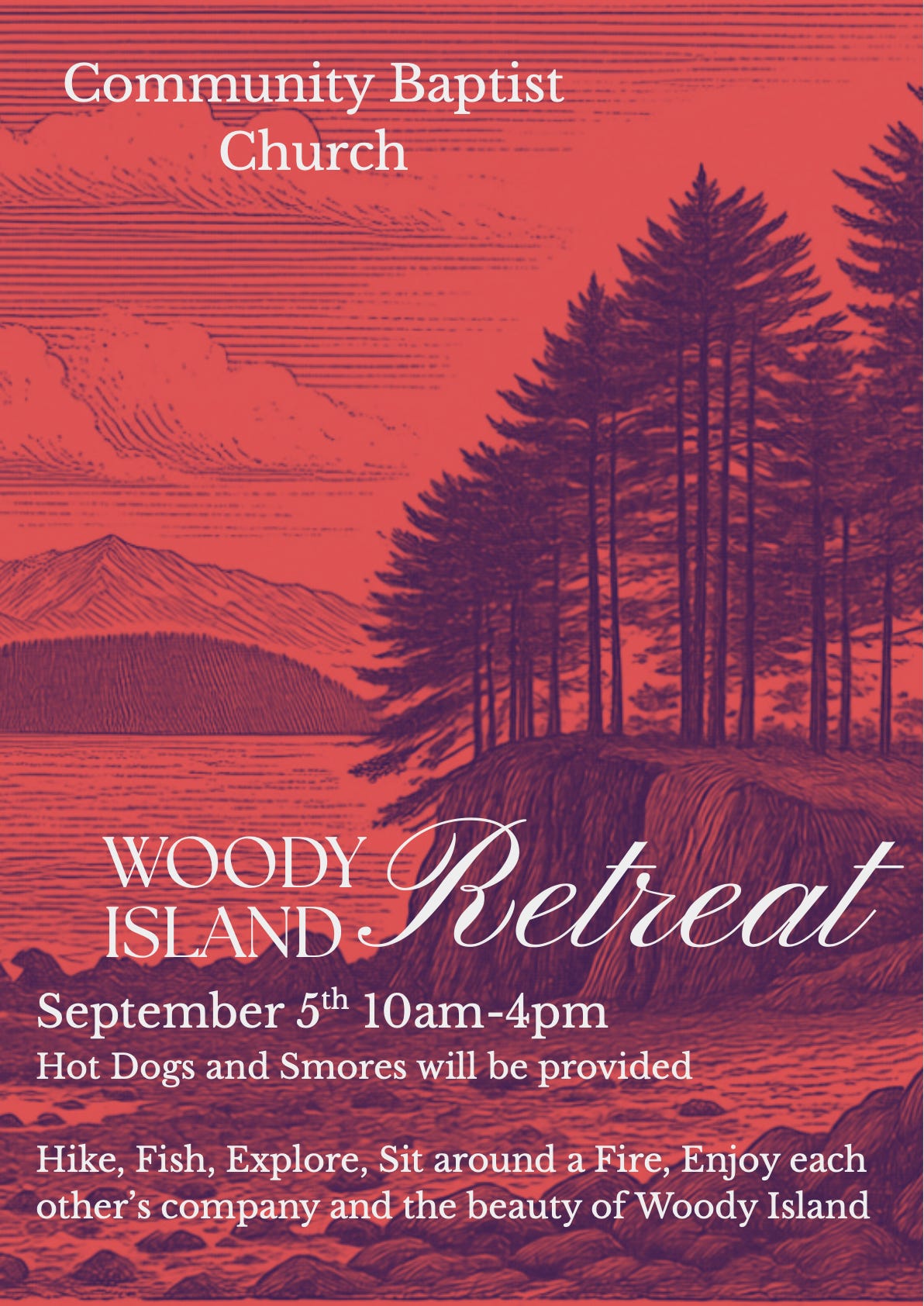
Woody Island Retreat- Saturday, Sept. 5 (10am-4pm)
Church Weekly Schedule
Sunday worship at 11am
Wednesday Prayer Posse 12pm
Trail Life each Sunday from 2-3pm
Pastor Steven’s Office Hours 8-4 Mon-Thursday
I have an open sign (if it is on, I am here)
If I am not in the office at these times, I am meeting with someone
Call or text me 972-921-2516
Email steven@kodiakcbc.org