Who were the Hebrew prophets in their historical context? What was the vocation and expectation of these people? Why is the church still fascinated by their staunch positions of judgment and mercy? Want to dive in and find out? … Seriously!? Ok. Here we go…
It is helpful to understand that the prophets in Hebrew society as being split into two categories. The first category was the court prophets. These were the legally sanctioned prophets that were employed by the king to give guidance and conscience to the political leadership. Nathan, the prophet that confronted David with his murder of Uriah and his abuse in using his position of power to force himself upon Bathsheba– this Nathan was a court prophet that used his position within the court to speak the truth of YHWH. However as the history of Israel continued, both the political and spiritual leaders became increasingly corrupt, using the position of prophet to give holy credence to political and social norms. Because they were in the pocketbook of the king, these would-be spokes persons for YHWH were often solely loyal to the king and/or their own ambitions of power and wealth (Micah 3:5). They prophesied lies to the people concerning the will of God- using the name of God to justify the will of the kings and to fill their own appetites (Is. 9:15; Jer. 5:31). Instead of calling the people to repentance and faithfulness to the covenant, they spoke of peace between God and nation, assuring the people that God was on their side, but there was no peace in the mind of YHWH (Jer. 6:14). Instead of speaking the truth of the LORD, they spoke only what was appeasing and soothing– taking bribes to do so (Micah 2:11). These leaders were supposed to have given warning to the people and correct them when they were in the wrong. However, these court prophets cared only for selfish gain and political position, and therefore spoke only the words that showed loyalty to the king and their positions of power- forfeiting their loyalty and fidelity to YHWH.
The sins of the people could have been corrected, but the leaders did not act and speak faithfully and so forfeited their calling to be the ones that speak, “Thus saith the LORD.” Therefore the wound, as Jeremiah refers to the sin of the people, became inflamed with infection (Jer. 6:14).
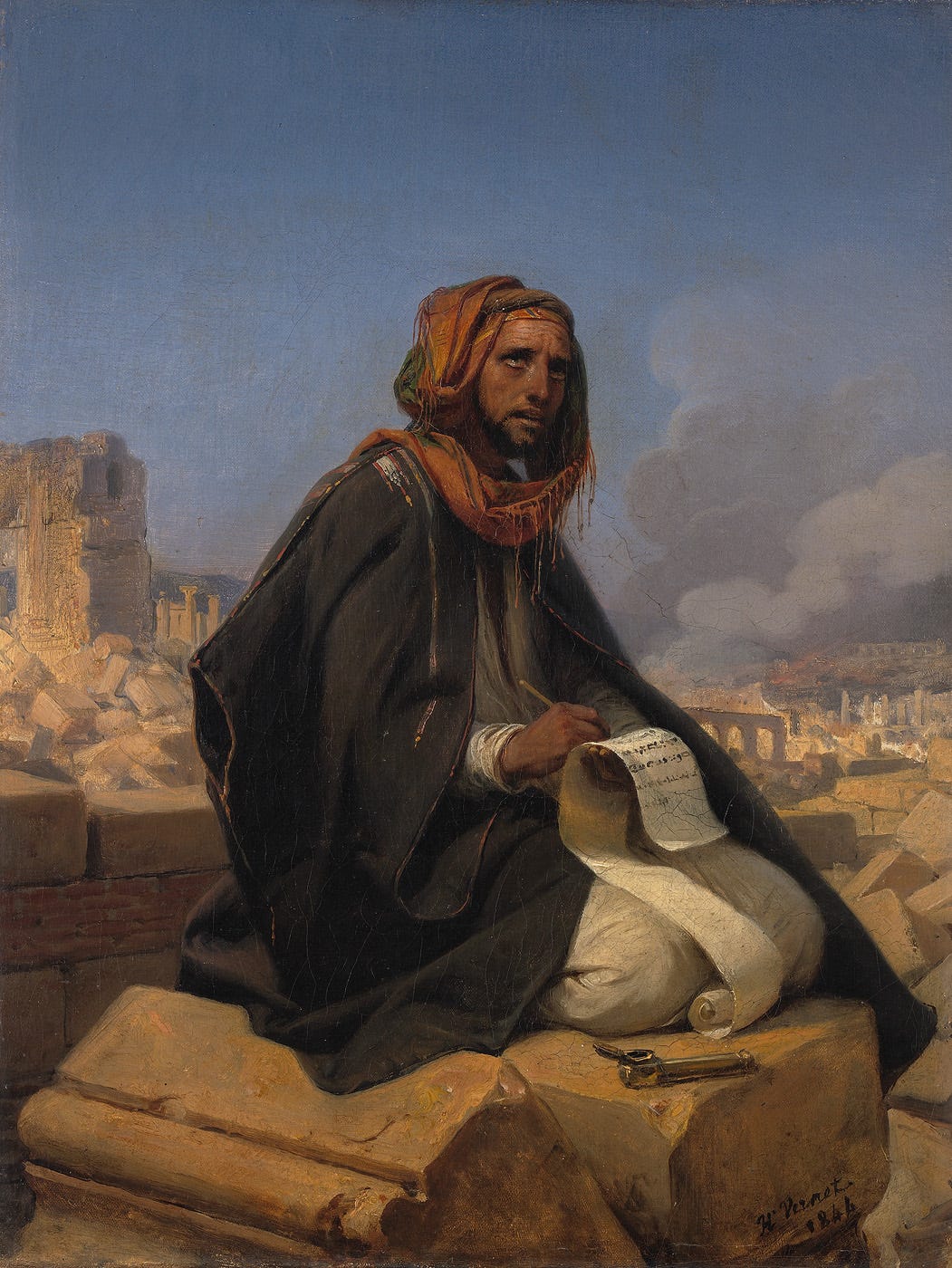
The second category is a very loose group of people in which many did not hold a court appointed prophet title. These prophets broke with tradition and became spokespersons of the LORD to the general populations of Israel and Judah- constituting the corpus of the prophetic books (the prophets and the minor prophets) that we see in the Canon. The occupation of these prophets ranged from shepherds (Amos 1:1) to priests (Jer. 1:1; Ezek. 1:1) and almost everything inbetween. They spoke out against corruption (often to their detriment), called the nation to covenantal faithfulness, and told of the imminent destruction of the country as the natural consequence of their infidelity. They were rejected by their people, mocked and ridiculed (Amos 7:12-13, Jer. 43:2, Hosea 9:7), hated, and even killed (Matthew 23:37). Despite this, they were faithful to the calling of the LORD to be exposers of corruption, preachers of faithfulness, and foreboding voices of warning- destruction and exile.
These spiritual leaders spoke out against the injustice being done to the foreigners, the poor, the orphans, and the widows (Is. 1:23, 3:15, Jer. 2:34, 7:6, Ezek.18:12, 22:11, Amos 2:7). The people of Israel and Judah were taking advantage of the foreigners, paying them less than desirable wages, knowing that they could do this and get away with it. The foreigner, being alone in a foreign land, had no familial backing or legal representation to protect them (Ezekiel 22:7). The poor were having their houses and fields taken away from them to pay debts that were unjustly forced upon them by the judicial system (Micah 2:2). The merchants were selling their goods for much more than what they were worth (Amos 8:5-6), thus taking advantage of the poverty of the widows and orphans. Despite all these evils, the people had the audacity to go to the places of worship and provide the correct sacrifices and offerings (Is. 1:11; Amos 4:4-5), doing religious duties and singing praises to God all while they were destroying the poor in their midst. The people believed that because they were providing the correct sacrifices, saying the correct prayers, and singing the right worship songs, the LORD was appeased. However, the prophets emphatically disagreed. God did not desire these mere religious actions; God desired the people to act justly towards one another and show mercy (Hosea 6:6; Amos 5:23-25; Micah 6:8). The corruption of the nation permeated all corners of Hebrew society. The judges did not administer justice but were taking bribes (Micah 3:11; Amos 5:12; Isaiah 5:23). The priests were not teaching the law of the LORD, but were leading lives of promiscuity and became “yes men” to the kings of their day (Hosea 6:9; Micah 3:11; Jer. 2:8, Ezek. 22:26). The general public did not know the LORD or his mandates (Hosea 4:1,6) due to the corrupt nature of those that were tasked with teaching and showing them who the LORD was and what he desired. This is why Hosea would later say, “My people are destroyed for lack of knowledge (Hosea 4:6).”
People of faith today look upon these true prophets and understand that these were faithful voices crying out in the wilderness, who dared to be loyal to YHWH, declaring his decrees in the midst of chaos and corruption. While pseudo-prophets attracted massive crowds with their words of appeasement and greed, the true prophets chose faithfulness to YHWH over popularity and acceptance. We look upon these true prophets as courageous people of faith- using their story of faithfulness to ponder anew what the Almighty can do in our time. Being invigorated by these faithful witnesses to the truth, perhaps we too can be the people who live totally and unreservedly in obedience to YHWH, speaking out against corruption and infidelity to the LORD- doing this in spite of the costliness that is often coupled to prophetic witness. May we be brave enough to live out the prophetic call of the church– to be people that bear witness to Jesus and all that he has commanded. And God willing, we will do so.
_____________
Announcements:
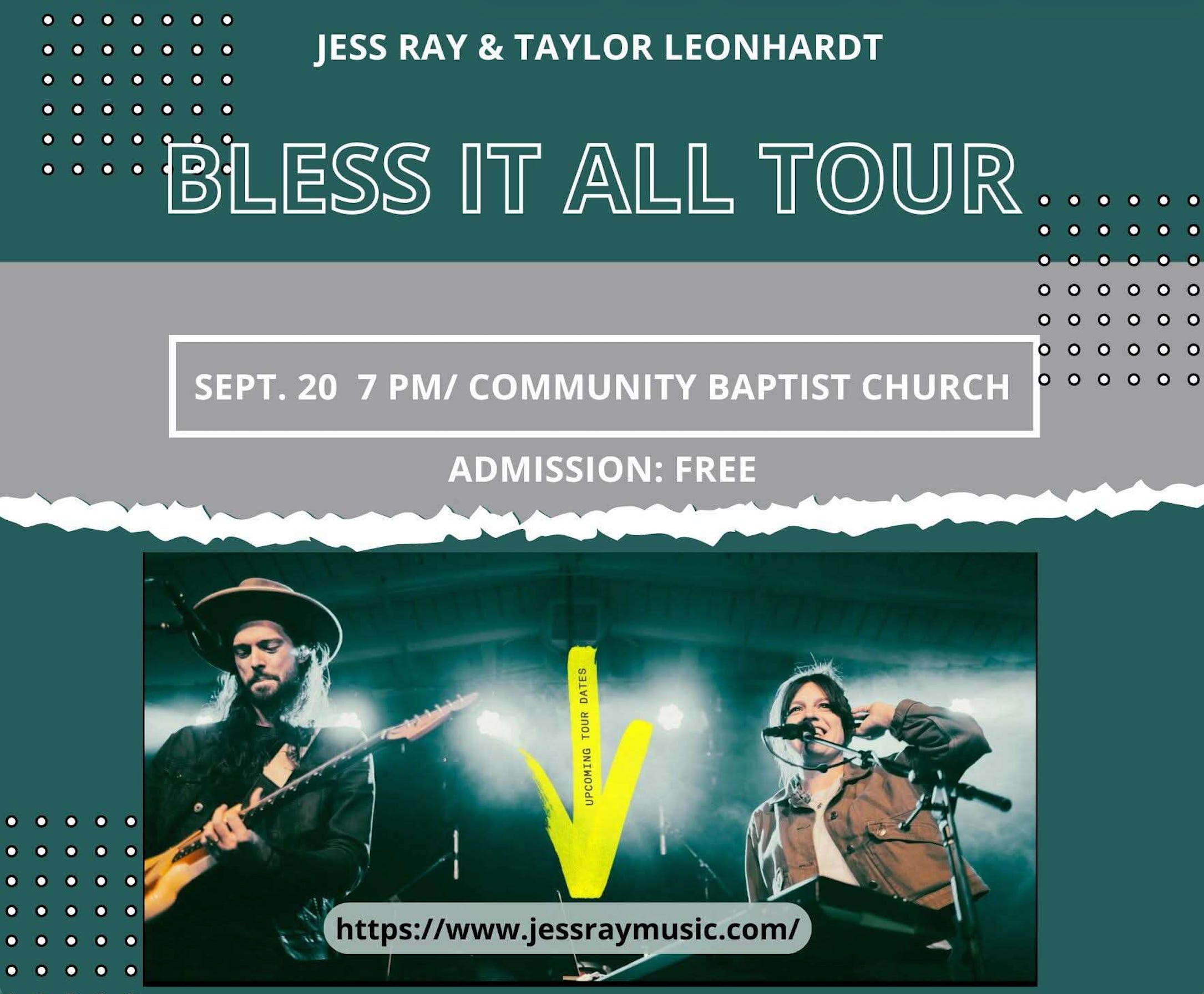
This Sunday at 7pm we will be hosting the Jess Ray and Taylor Leonhardt Concert
please use the link provided to like, comment, and share this Free Concert with other. https://www.facebook.com/share/p/1K22xWkBWf/
We are planning another Community Art Night for November 21. More Information will be provided as we approach that time
We will be partnering with Salvation Army, KBM, and other church organizations to provide a Fall Festival event. More information will be provided in the near future.
Weekly Church Schedule
Sunday School has resumed
Worship at 11pm
Prayer Posse at 12pm on Wednesdays
Pastor Steven will be in his office from 8-4 (Monday -
Thursday), unless I am meeting with a church member or a community member outside of the church buildingIf the “Open” sign is on, I am in the office. Come on in to say hi and sit and talk for a while. I would love to see you
If you need me for anything, you can call or text me at 972-921-2516